Audvik Labs

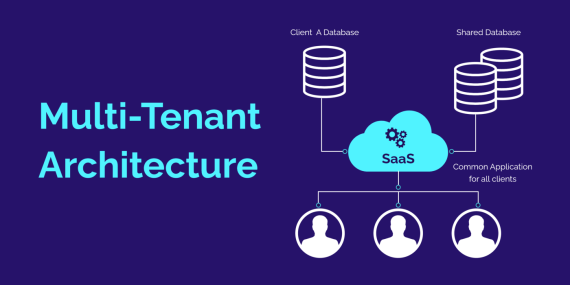
What is Multitenancy in Cloud Computing?

In cloud computing, multitenancy means that multiple customers of a cloud vendor are using the same computing resources. Despite the fact that they share resources, cloud customers aren’t aware of each other, and their data is kept totally separate. Multitenancy is a crucial component of cloud computing; without it, cloud services would be far less

Explaining Quantum Computing

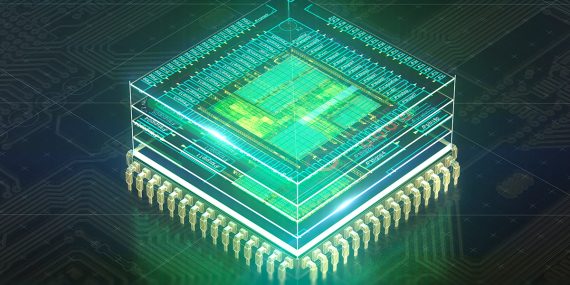
Quantum Computing Currently, computers are made with silicon transistors. These transistors are getting smaller and more powerful with each passing year. However, there is a physical limit to this technology. In these types of circuits, if the conductors are too close to each other, electrons can bounce between them. Moreover, if a transistor is too

What is Virtual Machine in Cloud Computing?

Introduction A virtual machine (VM) is a software-based computer that exists within another computer’s operating system, often used for the purposes of testing, backing up data, or running SaaS applications.  Leveraging virtualization and cloud computing for your organization  Today, many major businesses are hiring IT professionals to upgrade their computing models. Many qualified systems engineers

What are the security risks of cloud computing?

Introduction In many ways, the security threats facing today’s traditional data center environments overlap with those of a cloud computing environment. On both sides, cybercriminals aim to take advantage of vulnerabilities found in software. That said, cloud computing introduces another element in that the responsibility of addressing and mitigating those risks is split between the

Virtualization in cloud computing

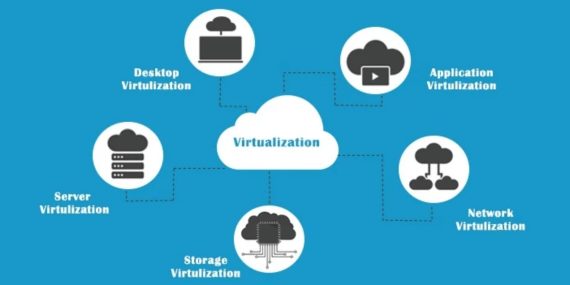
Introduction Virtualization is the creation of virtual servers, infrastructures, devices and computing resources. Virtualization changes the hardware-software relations and is one of the foundational elements of cloud computing technology that helps utilize the capabilities of cloud computing to the full. Virtualization techniques allow companies to turn virtual their networks, storage, servers, data, desktops and applications.

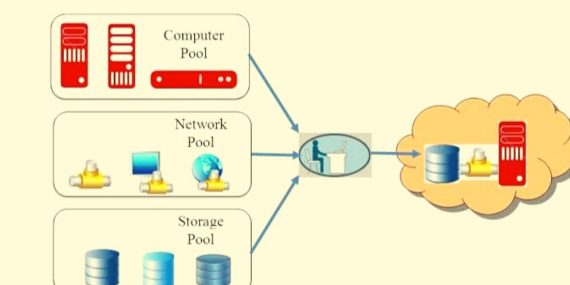
What is resource pooling in cloud computing?

Introduction Resource pooling is an IT term used in cloud computing environments to describe a situation in which providers serve multiple clients, customers or “tenants” with provisional and scalable services. These services can be adjusted to suit each client’s needs without any changes being apparent to the client or end user. Cloud computing platforms are

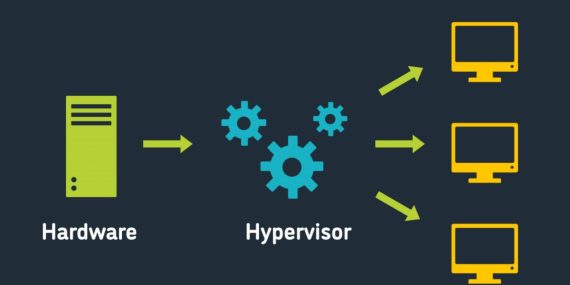
What is hypervisor in cloud computing?

Introduction A Cloud Hypervisor is software that enables the sharing of cloud provider’s physical compute and memory resources across multiple virtual machines (VMs). Originally created for mainframe computers in the 1960s, hypervisors gained wide popularity with the introduction of VMware for industry standard servers in the 1990s, enabling a single physical server to independently run

What is IaaS in cloud computing?

Introduction Infrastructure as a service (IaaS) is a form of cloud computing that provides virtualized computing resources over the internet. IaaS is one of the three main categories of cloud computing services, alongside software as a service (SaaS) and platform as a service (PaaS). In the IaaS model, the cloud provider manages IT infrastructures such

What is PaaS in Cloud Service?

Introduction PaaS is a cloud computing service that uses virtualization to offer an application-development platform to developers or organizations. This platform includes computing, memory, storage, database and other app development services. PaaS solutions can be used to develop software for internal use or offered for sale. PaaS technology offers a company virtual infrastructure, such as

What is Data Centre in Cloud Computing?

Introduction A data center — also known as a datacenter or data centre — is a facility composed of networked computers, storage systems and computing infrastructure that businesses and other organizations use to organize, process, store and disseminate large amounts of data. A business typically relies heavily upon the applications, services and data contained within