Audvik Labs

The Power of Large Language Models: Transforming Various Industries with Cloud Computing

Large Language Models (LLMs) are reshaping the way we interact with technology across numerous fields, from bot development to quality assurance, aided significantly by the infrastructure of cloud computing. As sophisticated AI systems trained on extensive datasets, LLMs—such as OpenAI’s GPT-3 and GPT-4—understand and generate human-like text, making them invaluable for various applications. Major cloud

Accelerate Your Research with Google Cloud: A Guide to High-Performance Computing

Introduction: High-performance computing (HPC) has revolutionized the way we approach complex scientific and engineering problems. With the increasing demand for processing power, organizations are looking for cloud providers that can deliver scalable and cost-effective HPC solutions. In this blog post, we’ll explore how Google Cloud’s HPC capabilities can help you accelerate your research and unlock

What is Virtual Machine in Cloud Computing?

Introduction A virtual machine (VM) is a software-based computer that exists within another computer’s operating system, often used for the purposes of testing, backing up data, or running SaaS applications.  Leveraging virtualization and cloud computing for your organization  Today, many major businesses are hiring IT professionals to upgrade their computing models. Many qualified systems engineers

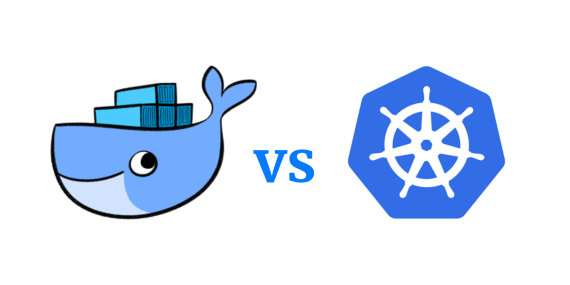
Docker VS Kubernetes

Introduction Both Docker and Kubernetes are open cloud-native technologies. And, major cloud service providers support components of both Docker and Kubernetes in their managed offerings. The difference between the two is that Docker is about packaging containerized applications on a single node and Kubernetes is meant to run them across a cluster. Since these packages

Data Center in Cloud Computing

Introduction A data center — also known as a datacenter or data centre — is a facility composed of networked computers, storage systems and computing infrastructure that organizations use to assemble, process, store and disseminate large amounts of data. A business typically relies heavily on the applications, services and data contained within a data center,

What is Cloud Load Balancing?

Introduction Cloud load balancing is the process of distributing workloads across computing resources in a cloud computing environment and carefully balancing the network traffic accessing those resources. Load balancing enables organizations to meet workload demands by routing incoming traffic to multiple servers, networks or other resources, while improving performance and protecting against disruptions in services.

What is Instance in Cloud Computing?

Introduction A cloud instance is a virtual machine that runs your workloads in the cloud. An instance is much like a physical server. However, it is not dependent on hardware or one single data center location. You use a cloud platform to provision the instances remotely. Some cloud computing platforms include AWS, Google Cloud, and

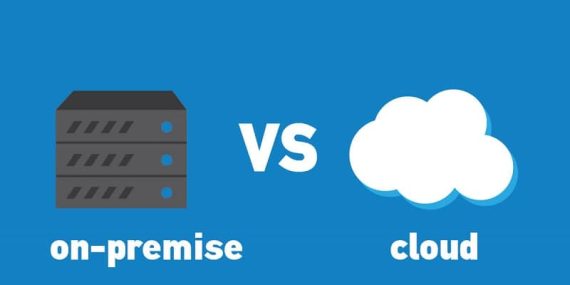
Load Testing- On Premise VS Cloud

Introduction In the cloud, there’s almost infinite access to resources for computing, storage, and networking, allowing all kinds of applications to be scaled exactly the way a business needs. But it’s important to constantly measure and test the performance of these applications in the cloud.   Performance is the key to a trouble-free communications environment –